

Hnycareershub
Add a review FollowOverview
-
Sectors Digital Marketing
-
Posted Jobs 0
-
Viewed 67
Company Description
NHS: A Universal Embrace
Within the bustling halls of an NHS hospital in Birmingham, a young man named James Stokes navigates his daily responsibilities with subtle confidence. His polished footwear barely make a sound as he greets colleagues—some by name, others with the familiar currency of a “good morning.”
James displays his credentials not merely as a security requirement but as a declaration of inclusion. It sits against a well-maintained uniform that offers no clue of the tumultuous journey that preceded his arrival.
What distinguishes James from many of his colleagues is not visible on the surface. His bearing discloses nothing of the fact that he was among the first participants of the NHS Universal Family Programme—an initiative created purposefully for young people who have been through the care system.

“The Programme embraced me when I needed it most,” James reflects, his voice measured but tinged with emotion. His remark encapsulates the heart of a programme that seeks to reinvent how the vast healthcare system views care leavers—those vulnerable young people aged 16-25 who have transitioned from the care system.
The statistics reveal a challenging reality. Care leavers commonly experience higher rates of mental health issues, financial instability, housing precarity, and lower academic success compared to their age-mates. Beneath these impersonal figures are individual journeys of young people who have maneuvered through a system that, despite genuine attempts, often falls short in offering the stable base that shapes most young lives.
The NHS Universal Family Programme, launched in January 2023 following NHS England’s promise to the Care Leaver Covenant, embodies a substantial transformation in institutional thinking. At its core, it accepts that the complete state and civil society should function as a “universal family” for those who have missed out on the stability of a typical domestic environment.
Ten pioneering healthcare collectives across England have blazed the trail, developing structures that rethink how the NHS—one of Europe’s largest employers—can open its doors to care leavers.
The Programme is detailed in its strategy, starting from thorough assessments of existing procedures, establishing management frameworks, and garnering executive backing. It acknowledges that successful integration requires more than good intentions—it demands tangible actions.
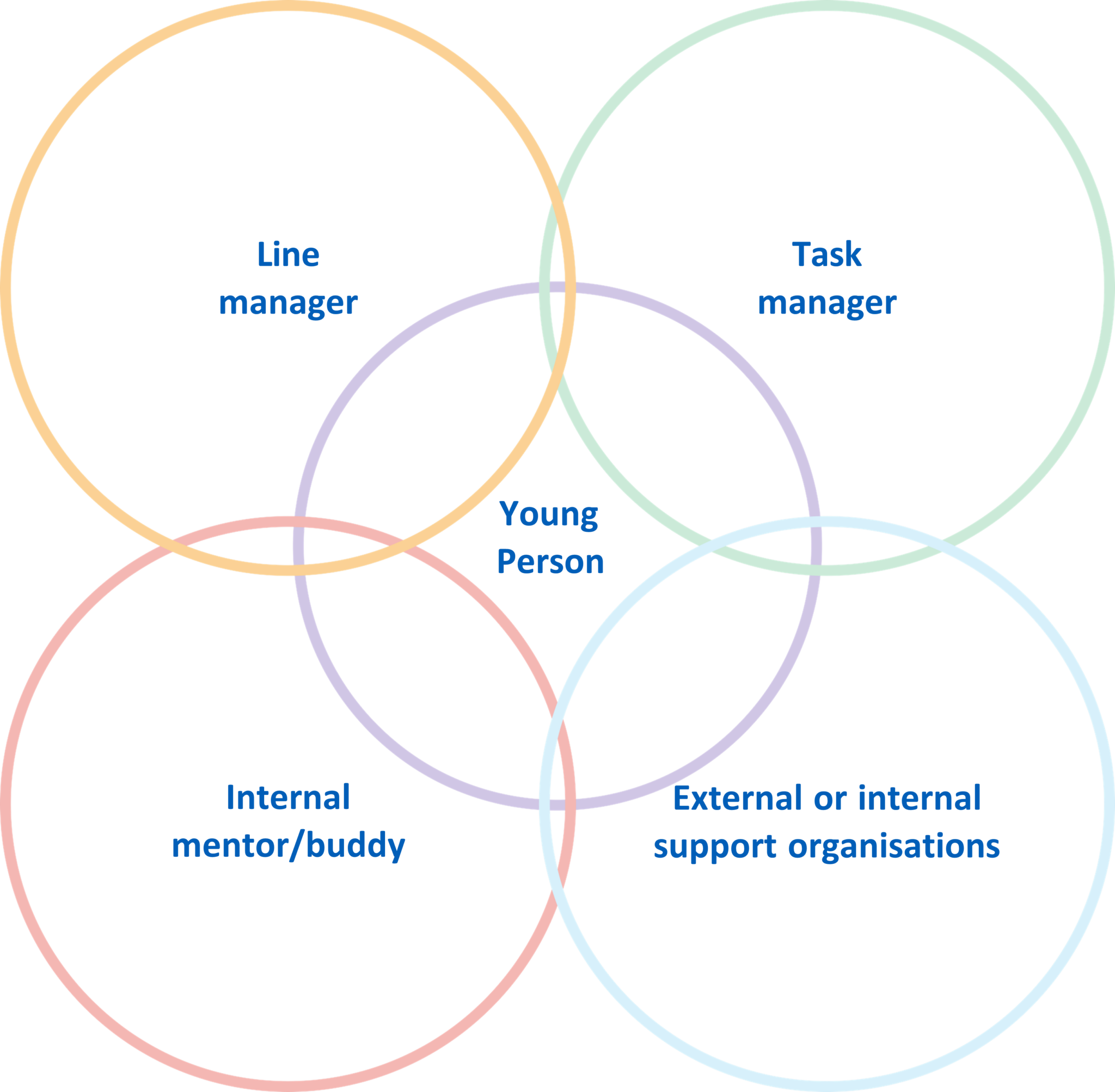
In NHS Birmingham and Solihull ICB, where James started his career, they’ve established a consistent support system with representatives who can offer assistance and counsel on mental health, HR matters, recruitment, and equality, diversity, and inclusion.
The standard NHS recruitment process—rigid and often daunting—has been intentionally adjusted. Job advertisements now highlight character attributes rather than numerous requirements. Application processes have been redesigned to consider the specific obstacles care leavers might experience—from lacking professional references to having limited internet access.
Possibly most crucially, the Programme acknowledges that entering the workforce can present unique challenges for care leavers who may be navigating autonomy without the backup of parental assistance. Concerns like transportation costs, proper ID, and banking arrangements—assumed basic by many—can become substantial hurdles.
The brilliance of the Programme lies in its attention to detail—from clarifying salary details to providing transportation assistance until that essential first wage disbursement. Even ostensibly trivial elements like rest periods and professional behavior are thoughtfully covered.
For James, whose NHS journey has “transformed” his life, the Programme offered more than a job. It offered him a perception of inclusion—that ineffable quality that emerges when someone is appreciated not despite their history but because their unique life experiences improves the workplace.
“Working for the NHS isn’t just about doctors and nurses,” James comments, his expression revealing the quiet pride of someone who has found his place. “It’s about a family of different jobs and roles, a family of people who genuinely care.”
The NHS Universal Family Programme represents more than an employment initiative. It stands as a powerful statement that systems can change to embrace those who have experienced life differently. In doing so, they not only alter individual futures but enhance their operations through the unique perspectives that care leavers bring to the table.
As James moves through the hospital, his presence subtly proves that with the right assistance, care leavers can succeed in environments once deemed unattainable. The arm that the NHS has offered through this Programme signifies not charity but acknowledgment of untapped potential and the essential fact that everyone deserves a support system that champions their success.


